Sevda Öğüt

Sevda Öğüt

PhD Candidate at  EPFL

firstname [dot] lastname [at] epfl [dot] ch

Find my resume here


Hey there! I'm Sevda — a fourth year PhD student in Computer and Communication Sciences (EDIC) at EPFL. I'm supervised by Prof. Pascal Frossard and Dr. Dorina Thanou in the Signal Processing Laboratory 4 (LTS4  LTS4 ). My research mainly focuses on graph representation learning and its applications in biomedicine.


Previously, I worked as a semester project student under the guidance of Assoc. Prof. Haitham Hassanieh in the Laboratory of Sensing and Networking Systems (SENS). Here, my research centered on molecular communication with multiple transmitters.


Prior to joining EPFL, I earned my BSc Degree from the Department of Electrical and Electronics Engineering at Bilkent University in Ankara, Turkey. During my undergraduate studies, I was advised by Assoc. Prof. Cem Tekin at CYBORG, focusing on contextual and combinatorial multi-armed bandits in volatile settings.


In my free-time, I like to join EPIC events, play the piano 🎹, and travel 🗺!


P.S.

📝 If you are an EPFL student interested in a semester or thesis project, please check this project page.

☀️ If you would like to apply to EPFL for a summer internship, please refer to Summer@EPFL or the E3 Program.

🎓 If you are interested in a PhD position, please check the EDIC program or the glamorous EPIC Guide.

Publications

GrapHist architecture
arXiv 2025
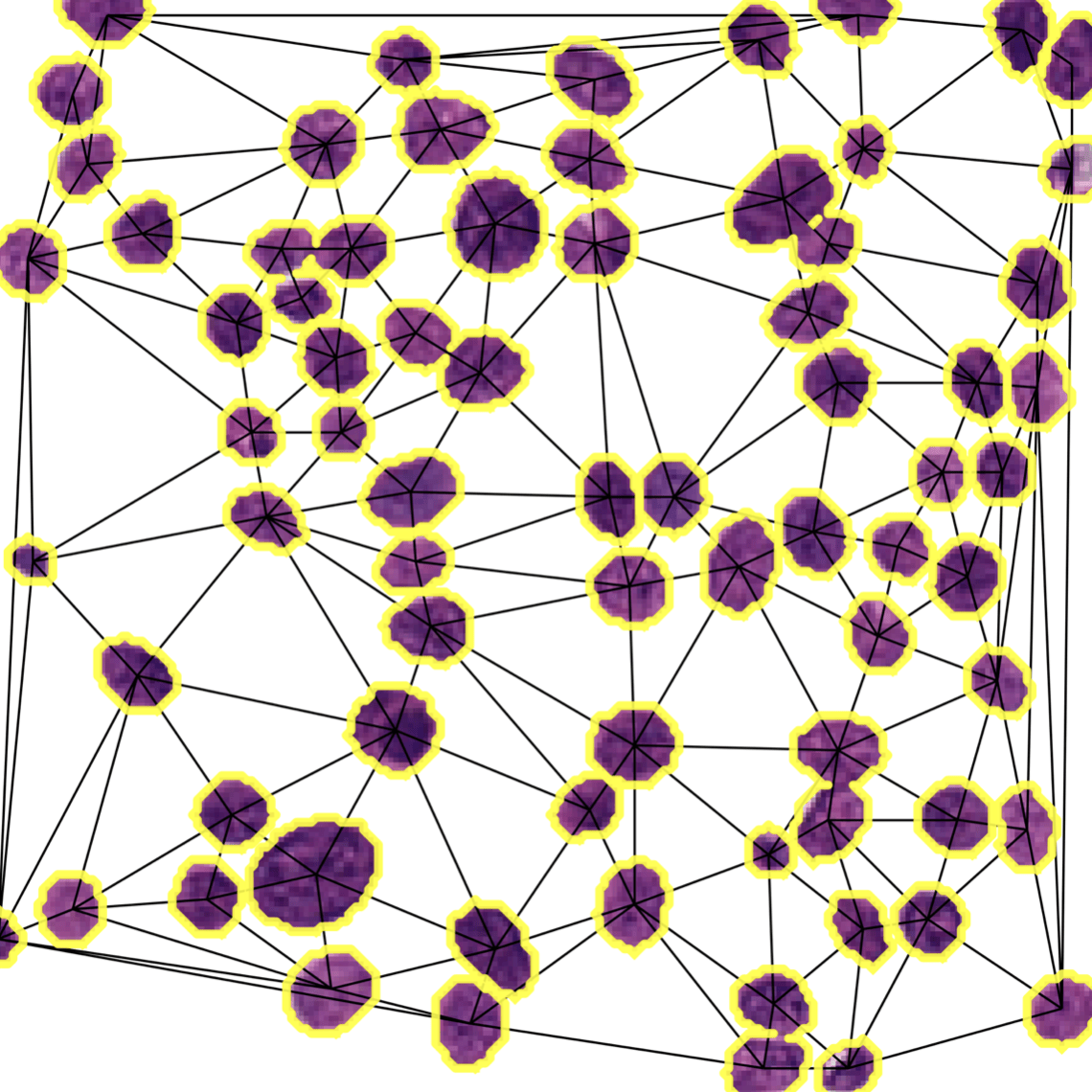
GrapHist: Large-Scale Graph Self-Supervised Learning for Histopathology

This paper proposes GrapHist, a large-scale graph self-supervised learning framework for histopathology.

ICML architecture
ICML Workshop Multi-modal Foundation Models and Large Language Models for Life Sciences 2025
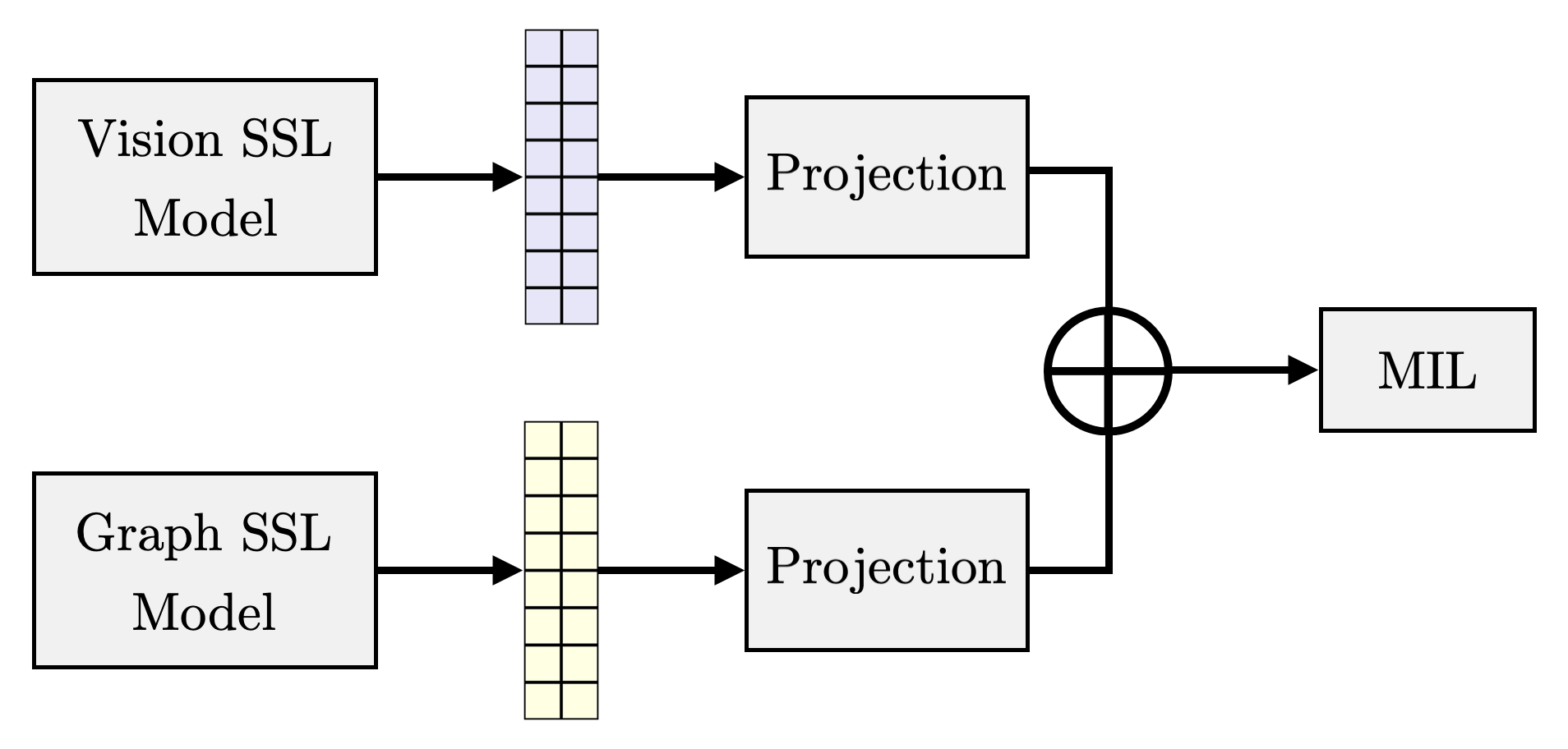
From Vision to Graph Self-Supervised Learning in Digital Pathology

This paper demonstrates that graph-based self-supervision captures spatial structure in digital pathology patches and achieves similar performance to vision-based models using 12x fewer parameters. It also shows late multi-modal fusion of images and graphs improves upon single-modal baselines in digital pathology.

MIL Benchmarking architecture
arXiv 2025
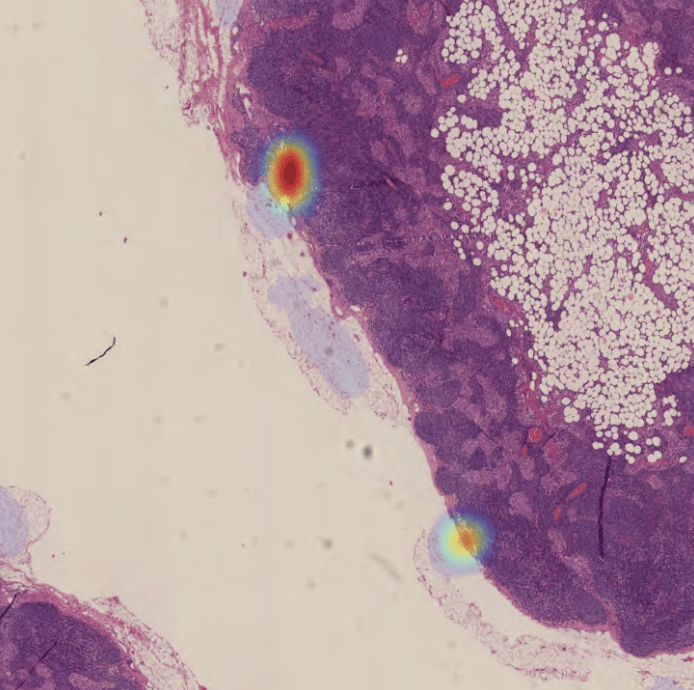
Benchmarking Instance-Level Learnability and Interpretability in Multiple Instance Learning

This study presents a unified benchmarking framework that evaluates MIL algorithms at both bag and instance levels, quantifying performance, learnability, and interpretability. Experiments on synthetic and digital pathology datasets reveal that although bag-level performance is robust across aggregation strategies, instance-level metrics are significantly affected by sample size and feature noise.

GNN pooling architecture
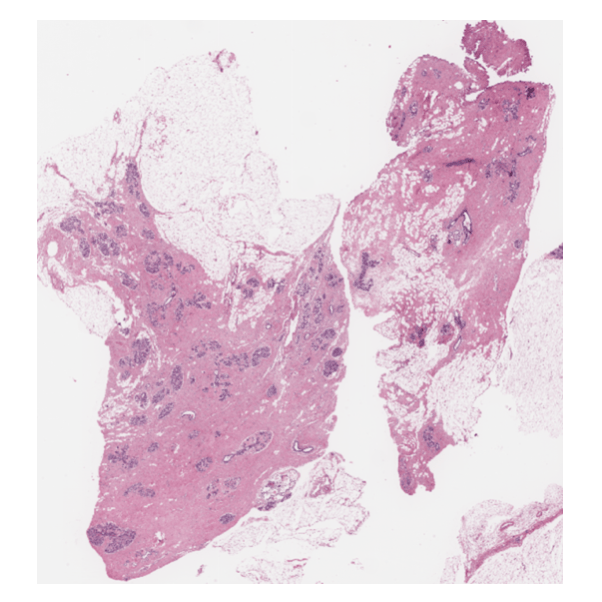
On the Role of Structure in Hierarchical Graph Neural Networks

This analysis shows that graph structure is learned in the initial convolutional layers, typically before any pooling schemes are applied, by perturbing the input graph structure at varying depths of the hierarchical graph neural network. In fact, many popular benchmarking datasets for graph-level tasks only exhibit limited structural information relevant to the prediction task, with structure-agnostic baselines often matching or outperforming more complex GNNs. These findings shed light on the empirical underperformance of graph pooling schemes and motivate the need for more structure-sensitive benchmarks and evaluation frameworks.

MoMA architecture
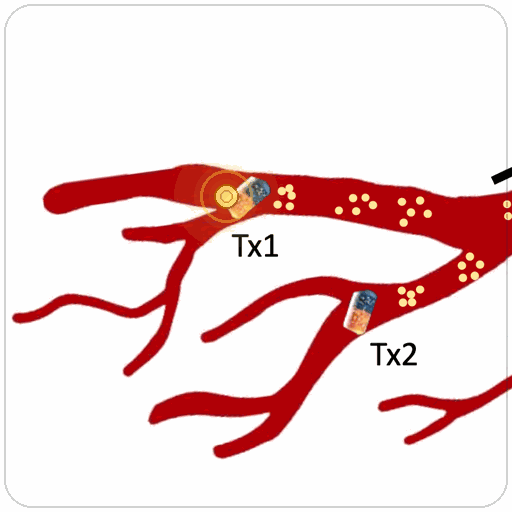
Towards Practical and Scalable Molecular Networks

This work introduces MoMA, a molecular multiple access protocol that enables communication between multiple transmitters and a receiver in molecular networks. It addresses key challenges in molecular communication, such as lack of synchronization and high inter-symbol interference, and scales up to four transmitters in the synthetic testbed evaluation.

TMLR architecture
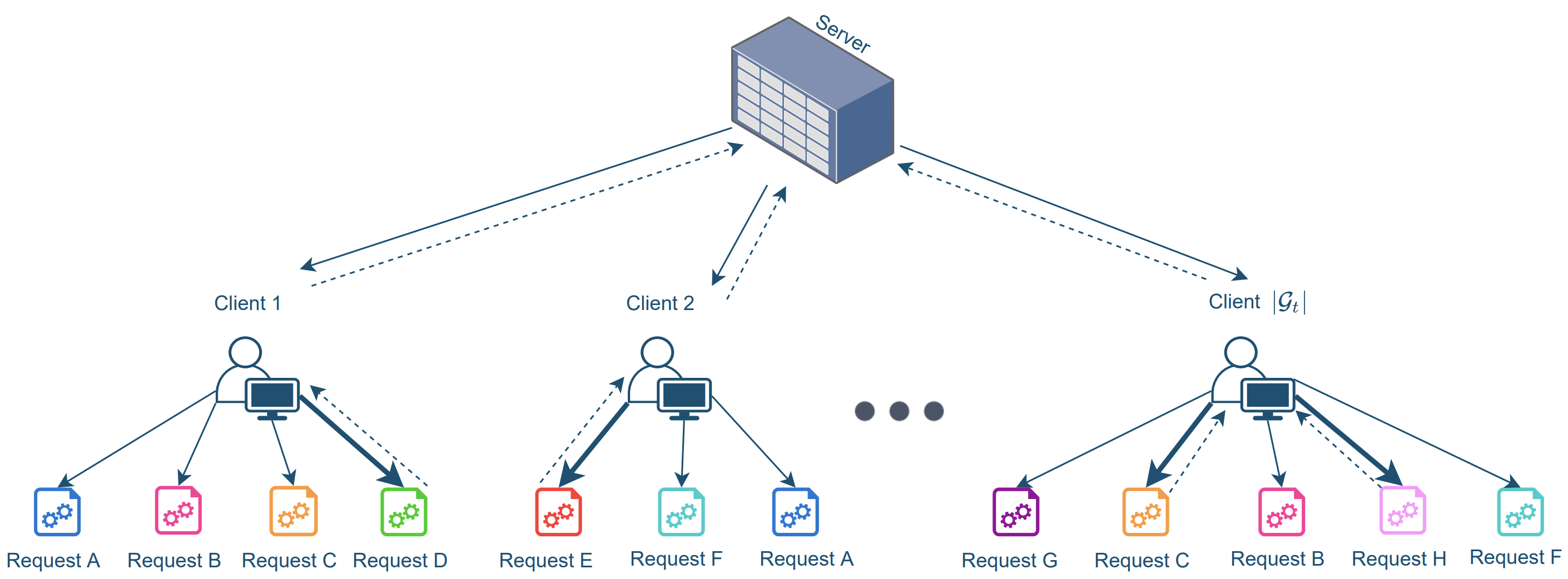
Contextual Combinatorial Multi-output GP Bandits with Group Constraints

This paper proposes TCGP-UCB which is an algorithm for combinatorial contextual bandit problems with privacy-driven group constraints. It balances between maximizing cumulative super arm reward and satisfying group reward constraints and can be tuned to prefer one over the other, with information-theoretic regret bounds.

UYMS architecture
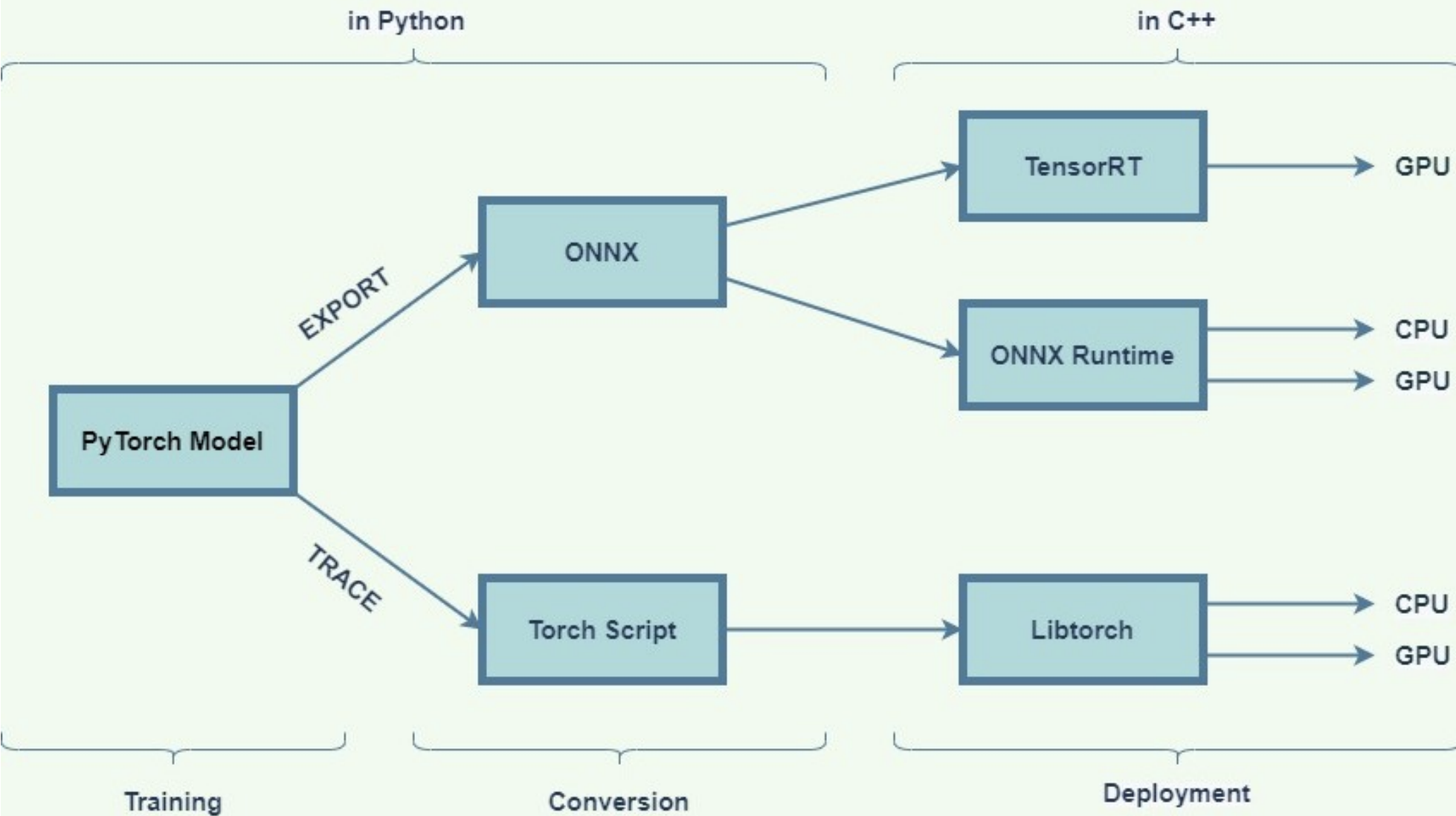
A Performance Study Depending on Execution Times of Various Frameworks in Machine Learning Inference

This study benchmarks inference latency across multiple machine learning frameworks using a 2-layer neural network model. The model is implemented in PyTorch and converted to TorchScript and ONNX formats. Inference is performed using LibTorch, ONNX Runtime, and TensorRT on both CPU and GPU. Results show that TensorRT with ONNX delivers the fastest performance, demonstrating its efficiency and potential for deployment scenarios.

🚲

Fun Stuff 🎉

Bikes I Have Named

Check the following PDF to see the names I have given to my friends' bikes!

Let me know if you want your bike to be named and added to this list.

🚲 Ça Roule